
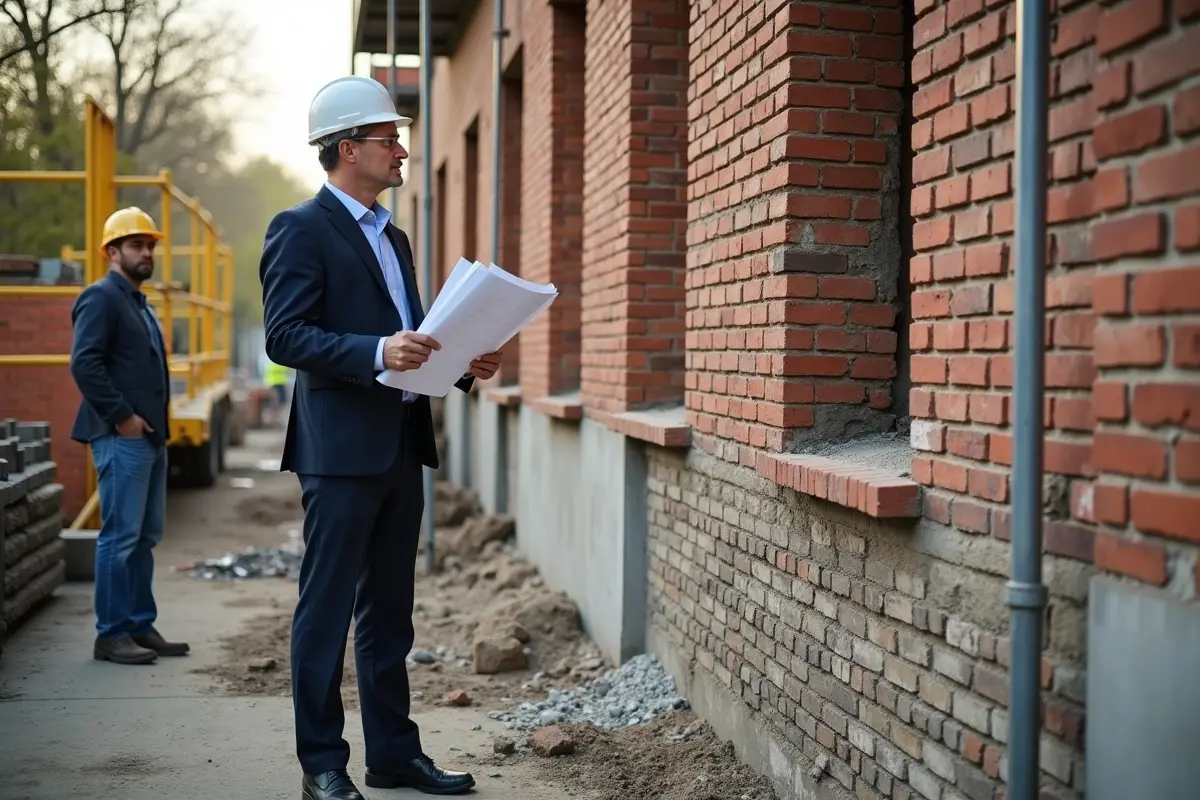
Fortifying Your Foundation: The Strategic Investment in Brick and Mortar
In an age dominated by e-commerce and digital storefronts, the term “brick and mortar” often evokes a sense of nostalgia. Yet, for countless businesses—from local restaurants and retail outlets to corporate offices and industrial facilities—the physical location remains the most crucial asset. Investing in your brick and mortar is not merely a cost; it is a strategic decision that fortifies your brand, anchors your operations, and provides a tangible, appreciating asset in a world of volatile digital trends.
This type of investment, however, goes far beyond a fresh coat of paint or a new sign. It requires a holistic view, focusing on the unseen structural integrity, the compliance of the land, and the reliability of the core infrastructure. A smart investment strategy involves partnering with specialists who can ensure both the initial integrity of your project and the long-term operational health of your building.
Contents
The Foundation of Growth: Planning, Structure, and Compliance
The most impactful investments in a physical property happen long before the first customer walks through the door, whether you are building new or undertaking a major remodel. This initial phase—known as due diligence and engineering—is paramount. It determines the lifespan of your building, its compliance with complex local regulations, and ultimately, your project’s profitability.
Engineering Confidence with Expert Oversight
The structural integrity of your building and the appropriate use of your land are not areas for guesswork. They require certified expertise across multiple disciplines. This is where firms specializing in comprehensive engineering and surveying services become indispensable partners.
A perfect example of this critical partnership is the work done by Anderson Engineering. Their integrated approach, spanning civil, structural, environmental, and land surveying, is essential for any business serious about protecting its brick-and-mortar investment.
Consider the complexity of a commercial construction project:
- Civil Engineering ensures your site is properly graded, manages stormwater runoff, and designs compliant parking and utility access—foundational elements that prevent costly issues like flooding or infrastructure failure down the line.
- Structural Engineering is the backbone of your building, ensuring that load-bearing walls, foundations, and frames are designed to meet or exceed safety codes and withstand local environmental stresses, from heavy snow loads to seismic activity.
- Land Surveying provides precise property boundaries and topographic data. This is crucial for avoiding legal disputes with neighbors and accurately planning the placement of all structures and utilities.
- Environmental Permitting and Remediation addresses potential risks hidden beneath the surface, such as soil contamination or wetland protection requirements. Navigating complex environmental regulations is a massive roadblock for many projects, and having expert help ensures compliance and prevents delays that can drain your capital.
By engaging an engineering firm early, you move your project to construction with confidence, eliminate costly setbacks, and ensure that the land itself is fit for its intended purpose. Investing in this level of professional engineering is fundamentally an investment in risk mitigation, compliance assurance, and the guaranteed long-term physical stability of your asset.
Maintaining the Engine: Infrastructure and Operational Longevity
Once your physical structure is sound, the focus shifts to maintaining the essential, hidden systems that keep your business running smoothly day in and day out. The operational lifespan of your investment is often determined not by the walls or the roof, but by the reliability of its internal infrastructure—most notably, its plumbing.
Imagine a restaurant having to close for a week due to a catastrophic sewer line failure, or a hotel losing bookings because of an outdated, failing water heating system. These failures don’t just cost money; they erode customer trust and damage reputation. Investing in operational infrastructure is an investment in uninterrupted service and daily efficiency.
Securing Essential Services for Uninterrupted Operation
For any business, especially those relying heavily on water and waste services (like healthcare facilities, manufacturing plants, or food service), reliable plumbing is a non-negotiable asset.
Companies like Empire Plumbing Services highlight the importance of having dedicated commercial plumbing professionals as part of your brick-and-mortar maintenance plan. Their services demonstrate the full spectrum of necessary investment in this area:
- Preventative and Emergency Care: A sudden plumbing disaster can halt operations immediately. Having access to responsive, professional emergency plumbing services minimizes downtime and prevents small leaks from becoming structural nightmares.
- Upgrading Water Quality Systems: Investing in commercial-grade water softeners and filtration systems protects your equipment (like dishwashers, boilers, and espresso machines) from damaging mineral buildup, extending their life and improving efficiency.
- Critical System Replacement (Re-Pipes and Water Mains): Older buildings often suffer from aging pipes that lead to low water pressure, leaks, and potential contamination. Proactively investing in re-pipes or replacing the water main is a significant, high-ROI capital expenditure that prevents future catastrophic failures and brings the building up to modern standards.
- New Construction Plumbing: For properties undergoing major expansions or new builds, having experienced commercial plumbers install systems correctly from the start ensures proper drainage, venting, and reliable service, avoiding the hidden disasters that plague cheaply installed systems.
By proactively addressing critical systems like plumbing, you ensure that the heart of your business continues to function reliably. It’s an investment that pays dividends in lower maintenance costs, better appliance longevity, and most importantly, operational continuity.
The Value of Professional Partnership: Maximizing ROI
The journey of investing in brick and mortar—whether it involves acquiring raw land, renovating an existing structure, or maintaining a decades-old facility—is complex. The true power of this investment lies in its physical presence and permanence, but achieving that permanence requires specialized knowledge.
Ultimately, maximizing the return on your brick-and-mortar asset is about choosing the right partners. You need experts who can navigate the complexities of land use and building design and specialists who can guarantee the reliable function of your daily operations.
Your physical location is more than just a place of business; it is a long-term asset that appreciates in value, serves as a hub for community engagement, and provides stability in an unpredictable economy. Treat it as such. Invest in its foundations, its structure, and its internal lifelines. By committing to professional excellence at every stage—from the blueprints to the drain cleaning—you ensure your brick-and-mortar investment provides enduring value for generations to come.